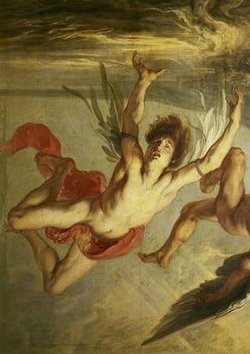
(And yes, it does actually look remarkably like Nick Clegg)
Seems a shame to start this next one with something else I got wrong, but the minor Parties have proved one thing above all in this contest: when it comes to voting for them in a General election, people don’t turn up.
There are some startling statistics coming out of this, the most astonishing of which is that, out of every twelve ‘new’ voters who said they’d support the LibDems, about 10.5 didn’t. As I say time and again, research (like life) is about watching what people do, rather than listening to what they say.
But that amazing degree of ‘softness’ – I’d call it outright desertion – begs an even bigger question. With a turnout 11% higher than initially expected, it’s clear those new voters didn’t abstain. So what did they do?
I can’t as yet find any numbers to answer that question: but what I can say is that neither I nor anyone else saw it coming. That is to say, I said several times that I doubted the hardness of the new LibDem support – but not that much….and I certainly didn’t expect them to stick around and vote for either of the other two.
This might just be a case of voter wisdom. After his explosion onto the scene, Clegg looked like a new star in the heavens. But then he gradually fell to earth. By the third debate and thereafter, several polls were showing steep drops in Libdem support, from a peak of 34% to some around 24-25%. But then it did seem to stabilise. (Or, put another way, polling stopped).
So the conclusion could be that increased familiarity with Nick Clegg (and intense media scrutiny of his policies) bred some contempt.
The Liberal Democrat leader’s acknowledgment of Conservative supremacy in this election was done with quite some dignity, and may well have done him a lot of good: it was a case where – for once – Slick Nick stuck to his word.
But politics is a grubby old business. One could also hypothesise that Clegg is being cunning here. He starts negotiations with the Tories, bigs up his ask-list – and then blames them for (as he sees it) intransigence on voting reform. At which point he feels able to accept another call from Number Ten, tell those around the Mad One that their Party must be Unbrowned….and does a seemingly above-board deal with them in favour of ‘progressive’ Government.
Economically and financially, this would be a disaster for Britain (the initial market reactions have blown away all the ‘it’s just scaremongering’ phooey from the Brownites) but even more so for the Conservatives. For Clegg will accept a crypto-PR deal from the new PM – and this will without question be AV….which, as this column reported two weeks ago, will favour Labour and doom the Tories to eternal opposition. AV is not a fairer system – it’s an even less fair system than FPTP.
So my message remains: even though Clegg’s ‘surge’ didn’t turn out to be anything more than mouth, he is now fighting for his Party’s political life. David Cameron needs to be tough – but get a deal and get on with the job – with whoever’s available. Let Clegg depict him as regressively inflexible, and it’ll be purge rather than surge that the Tory leader will be worried about. He should give some ground, and get the Yellow Peril onside.
 The Slog