Today’s vote on prisoners’ electoral is a crucial test
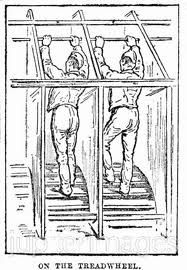
Later today there will be a crucial Commons vote on the right or otherwise of prisoners to have an electoral vote. Because it suits his book to throw a crumb to the Conservative right wing (and look truculent over an EU issue) the Prime Minister has given MPs a free vote. After much squabbling yesterday, it looks like there will now be a majority in favour of defying the EU.
As Ken Clarke has already made abundantly clear, in the end we will ‘fulfil our European Union obligations’, but that’s not really the point. David Cameron has been pressured by circumstances into accepting Party indiscipline – and humouring it.
Now today we read that 90 top LibDem Councillors have publicly attacked the Government’s cuts programme – a Government in which they are technically partners. There’s not much Cameron can do about this either – without upsetting the Huhne/Cable axis of thinly-veiled disloyalty.
At the weekend, Nick Clegg devoted a speech and press conference to putting forward how economic reconstruction and stimulation was indeed a priority for ‘the Government’, despite the fact that – when you look at policy papers in the pipeline – it is clear that the Coalition is doing none of the things he suggested. There’s a very good reason for that: two of them are LibDem, not Tory, policies.
Now some would observe that these events merely show how Coalition government really doesn’t work in practice: that policy is diluted and the direction becomes fuzzy. But if you look at PR-created Coalition government elsewhere in the EU, the one thing it always leads to is a proliferation of Parties.
The assumption that the voting system caused the change is sensible, but may no longer be considered the only reason. Parties are very, very rarely invented by voters: they’re created by politicians fed up of being bullied by Whips, and a ignored by Party leaderships that usually ignore them. I suspect the way round change works is that such politicos are motivated by leaderships out of touch with the public – and then encouraged to do something dramatic by the PR voting system.
This is not an academic consideration. If ‘rebels’ in the Labour and Conservative Parties win out today, they will not face dire consequences. Those on the Left who find Big Ed far too Highgate for their taste (and accept that the denial of votes to prisoners is commonsense) will have flexed their muscles; and the eurosceptic Tory Right will have won a major victory that leaves William Hague looking decidedly isolated. As Daniel Ellsberg once remarked, “Courage is contagious”.
What makes the trend even more fascinating is that not only will it have been achieved without PR, it will be apparent even to the dullest of backbench fodder that voting in favour of AV later this year can help a cause. It could quite easily change the dynamics of MPs’ public support for the referendum: and shift more people like me into the AV camp if only because it offers the chance to make political realignment a strong possibility rather than just an extremely unlikely outcome.
A wion against the EUCourt today will be bad for the Cameroons, good for Nick Clegg, and excellent for MPs’ power. And (as the Cameroons will know only too well) it won’t do David Davis any harm either.
 The Slog