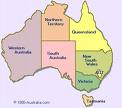
For quite a few miserable Anglo-Saxons, Australia is the place to be. But raw materials don’t last forever.
Brits freezing in near-zero temperatures could be forgiven for envying Australians their outdoor liefstyle and mineral wealth. But the UK hold lessons for those Aussies who imagine their good fortune will last forever.
Even as the mining boom takes off, urgent questions are being asked in Australia: is this free income too good to be true? What ecological consequences might there be? What industries will decline as mining madness gets a grip of the economy? Are there any health issues?
In the Hunter Valley, farmers, vineyard owners, horse breeders and local government worry that as the state elections loom, pragmatic national government will place short-term gain above long-term sustainability.
Coal royalties paid to New South Wales’ government are double what they were in 2007. In NSW for example, Mining royalties represent a massive and growing source of NSW government income, boosting state reserves by A$1.41 billion. There are 15 ongoing applications to expand existing mines, and 11 applications for new openings.
The parallels are obvious – Klondike, California, Aztec silver and so on. But as a Brit,it all feels reminiscent to me of North Sea Oil. In the mid 1960s,it came to our rescue. Everone breathed a sigh of relief. But forty years on, I see the bonanza as Fool’s Gold: a temptress that stopped us from waking up to the true nature of our decline as a trading nation.
Today, we face the hangover after our second ‘saviour’ – financial services – has come to grief. In the last seven years, North sea energy has finally dwindled away. The economic residue is that of a low manufacturing base, poor export performance and a fiscal crisis bigger than anything we’ve ever faced.
While the sun shone, we omitted to make repairs. We were too busy selling bonds and buying cars to worry about diversification. Now a cold monsoon season has arrived, and we are unprepared.
Australia would do well to take heed. Sooner or later, all natural resources run out, and City slickers run away to hide in tax havens. Nothing but nothing can replace an agricultural sector feeding citizens without too much need for imports. And in the Pacific century, Asia will consume added-value goods if only the older economies can gear up to provide them.
Politicians will put off any diversification that gets in the way of jam today. It will be up to Australian voters and entrepreneurs to press for less ecological damage, and more honey tomorrow.
 The Slog